Exactly How Red Light Therapy Can Enhance Your Dog's Total Well-Being
Red Light Therapy has actually become a promising choice for improving canine health. This non-invasive treatment stimulates mobile activity and promotes healing in dogs experiencing different disorders. Lots of animal proprietors report noticeable advantages, consisting of discomfort relief and boosted mobility. However, comprehending the hidden mechanisms and possible applications is vital. What details conditions can it attend to, and exactly how can it be securely incorporated right into a dog's care routines? The solutions might shock you.
Comprehending Red Light Therapy: What It Is and Just how It Functions
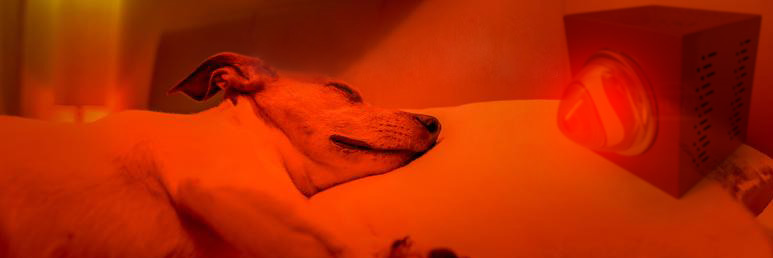
Although red light therapy has gotten popularity in human medicine, its application for pet dogs is progressively recognized for its possible benefits. This non-invasive therapy makes use of particular wavelengths of light, commonly in the near-infrared and red range, to stimulate cellular feature. The underlying concept includes the absorption of light by mitochondria, which improves ATP manufacturing and enhances mobile metabolism.
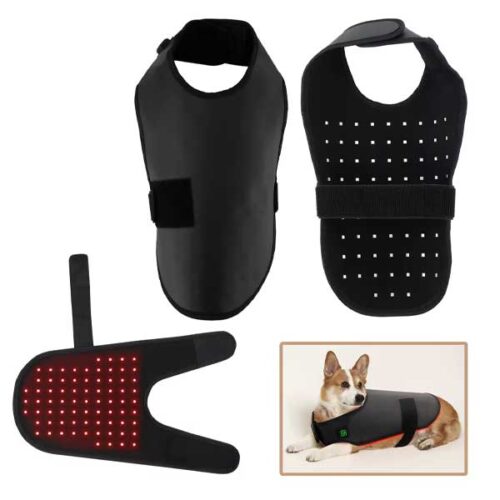
Consequently, red light therapy promotes enhanced flow and help in tissue fixing. The therapy is provided via gadgets such as lasers or LED panels, which can be routed at certain areas of a canine's body. Therapy sessions are typically short, making it a hassle-free choice for animal proprietors.
Recognizing this innovation's mechanisms can assist caretakers make educated decisions concerning their dog's healthcare. As research study remains to develop, the rate of interest in red light therapy as a corresponding therapy modality for numerous canine problems is likely to grow.
Benefits of Red Light Therapy for Dogs
Red light therapy offers several significant advantages for dogs, including reliable pain relief and an increased healing procedure. This therapy can improve flexibility and versatility, making it especially valuable for maturing or wounded pets. As even more animal proprietors look for alternate therapies, understanding these benefits becomes increasingly important.
Pain Relief Applications
Several dog owners are transforming to red light therapy as an appealing solution for minimizing discomfort in their animals. This non-invasive therapy uses certain wavelengths of light to penetrate the skin, promoting mobile activity and lowering inflammation. Canines struggling with chronic problems such as joint inflammation, hip dysplasia, or post-surgical pain might experience considerable alleviation with this therapy. Research studies suggest that red light therapy can improve blood flow, helping to provide important nutrients to influenced locations, even more adding to pain reduction. Furthermore, it might help to reduce the reliance on pharmaceutical painkiller, which typically include undesirable adverse effects. Therefore, numerous veterinarians are progressively advising red light therapy as a reliable and secure option for managing discomfort in canines.

Accelerated Healing Process
The advantages of red light therapy extend past discomfort relief, playing an important role in increasing the recovery procedure for pet dogs. This innovative therapy advertises cellular regeneration, stimulating the manufacturing of ATP, which improves power accessibility for healing tissues. Furthermore, red light therapy raises blood flow, leading to enhanced oxygen and nutrient distribution to hurt areas. This heightened flow not just help in faster healing yet also minimizes swelling, an usual obstacle to recovery. In enhancement, the therapy urges collagen production, critical for tissue repair service and regeneration. On the whole, by facilitating these organic processes, red light therapy substantially shortens recuperation times, enabling pet dogs to go back to their regular tasks quicker and with greater vigor.
Enhanced Movement and Adaptability
Boosted mobility and versatility are substantial benefits of red light therapy for pet dogs, particularly for those suffering from joint discomfort or tightness. This non-invasive therapy uses particular wavelengths of light to permeate tissues, advertising raised circulation and minimizing swelling. Because of this, pet dogs usually experience remedy for pain associated with arthritis, hip dysplasia, or post-surgical healing. Routine sessions can stimulate mobile repair and boost muscle mass function, allowing pet dogs to reclaim their natural variety of motion. Proprietors have reported obvious renovations in their animals' capacity to run, jump, and take part in tasks they as soon as appreciated (Red Light Therapy Dogs). Eventually, red light therapy not only aids minimize discomfort yet likewise adds to a much more energetic and fulfilling way of life for dogs, enhancing their total high quality of life
Conditions That Can Be Cured With Red Light Therapy
Red light therapy has actually gained appeal in different fields, its application in vet care, especially for pets, has actually revealed pledge in treating a range of problems. This non-invasive therapy technique is thought to help in reducing discomfort and inflammation connected with joint inflammation, assisting older dogs regain wheelchair. In addition, it has actually been used to aid in the recovery of injuries, burns, and surgical cuts, promoting faster healing times.
Skin conditions, such as dermatitis and hot spots, might additionally react favorably to red light therapy, lowering irritability and motivating much healthier hair development. The therapy can be valuable for dogs suffering from conditions like hip dysplasia, tendon injuries, and muscular tissue stress. By stimulating mobile repair service and improving blood circulation, red light therapy uses a holistic technique to improving the total health of canines, providing alleviation and promoting a far better quality of life.
The Scientific Research Behind Red Light Therapy
Red light therapy runs on the principle of photobiomodulation, which includes the helpful resources application of particular wavelengths of light to promote mobile processes. These wavelengths, commonly ranging from 600 to 1000 nanometers, permeate the skin and are soaked up by mitochondria, the energy-producing elements of cells. This absorption boosts ATP production, leading to raised power availability for cellular features.

Research studies recommend that red light therapy may likewise modulate immune responses and assistance general mobile health and wellness. By taking advantage of these biological mechanisms, red light therapy offers a non-invasive therapy alternative that can contribute significantly to a canine's well-being and recuperation from different conditions.
Just How to Integrate Red Light Therapy Into Your Dog's Regular
Integrating red light therapy right into a dog's regimen can be a straightforward procedure, gave that animal proprietors approach it with treatment and consistency. Initially, selecting a suitable device is essential, as options array from handheld units to larger panels. Proprietors ought to begin by presenting the therapy progressively, allowing their pet dogs to accommodate to the light exposure. Procedure can be set up for about 10 to 20 minutes, preferably a couple of times a week, depending upon the canine's demands and the advice of a veterinarian
Establishing a comfortable atmosphere is crucial; using a peaceful space where the pet really feels unwinded can improve the experience. During the sessions, owners can involve their animals with relaxing voices or mild petting to produce a calming environment. Keeping an eye on the pet's action is critical to guarantee the therapy is pleasurable and advantageous, eventually assisting to enhance their general health.
Safety Considerations and Precautions for Red Light Therapy
When considering red light therapy for explanation dogs, safety should always be a top priority to guarantee a favorable experience. Family pet proprietors have to consult a vet before beginning any type of therapy, particularly for dogs with pre-existing problems or those taking drugs. It is vital to pick tools particularly developed for animals, as human tools might not appropriate.
Correct eye defense is crucial; both the pet dog and the trainer must use goggles to secure their eyes from possible damage. Furthermore, sessions ought to be monitored closely to stay clear of too much exposure. It is a good idea to start with much shorter sessions and progressively enhance duration based upon the canine's response.
Proprietors need to likewise observe their pets for any kind of indications of discomfort or unfavorable responses during and after therapy. By complying with these security considerations, red light therapy can be a risk-free and advantageous alternative for enhancing a pet dog's wellness.
Often Asked Questions
Just how Usually Should I Utilize Red Light Therapy on My Dog?
Can Red Light Therapy Change Traditional Vet Therapies?
Red light therapy need to not replace conventional vet therapies. While it may complement therapies by promoting recovery and decreasing discomfort, consulting a veterinarian stays crucial for thorough treatment and resolving hidden health and wellness problems in dogs.
Are There Any Kind Of Side Results of Red Light Therapy for Dogs?
Red light therapy for pets normally has very little negative effects, such as short-term skin soreness or heat at the therapy site. Most pets tolerate the therapy well, but monitoring for any kind of uncommon reactions is advised.
What Is the Perfect Period for each and every Red Light Therapy Session?
The suitable duration for every red light therapy session usually varies from 10 to 20 minutes, relying on the dog's particular demands and problem. Assessment with a veterinarian is recommended to customize the treatment properly.
Is Red Light Therapy Ideal for All Dog Breeds?
Red light therapy is normally ideal for most dog types. Private wellness conditions and level of sensitivities may influence its applicability. Consulting a veterinarian assures the therapy is safe and valuable for each certain dog.
Lots of dog owners are transforming to red light therapy as a promising option for alleviating pain in their family pets. Enhanced movement and adaptability are significant benefits of red light therapy for pets, particularly for those experiencing from joint pain or tightness. Red light therapy runs on the principle of photobiomodulation, which involves the application of certain wavelengths of light to boost cellular processes. Research indicates that red light therapy can promote recovery, reduce inflammation, and minimize discomfort in pets. Red light therapy for pet dogs generally has very little side impacts, such as momentary skin soreness or warmth at the treatment site.